What Are Dentures?
Dentures are prosthetic restorations that replace missing teeth, restoring oral function and the aesthetics of the smile. They are designed to fit properly on the oral tissues and to provide stability and comfort during daily use.
They represent a long-established solution in prosthetic dentistry and, in certain cases, can be combined with or replaced by dental implants.
When Are Dentures Used?
Dentures are used when there is extensive tooth loss and restoration of chewing ability and speech is required.
Types of Dentures
Dentures are classified into different types depending on the number of missing teeth and the method of support. Each type is designed to provide functionality, stability, and aesthetic balance.
Complete Dentures
Complete dentures are used when all teeth of a jaw have been lost. They are designed to fully restore oral function and appearance, providing support to the soft tissues of the face.
Proper fit is essential for comfort and effective function.
Partial Dentures
Partial dentures are indicated when some natural teeth remain in the mouth. They replace missing teeth and help maintain proper occlusion and dental balance.
They are designed to integrate harmoniously with the remaining natural teeth.
Immediate Dentures
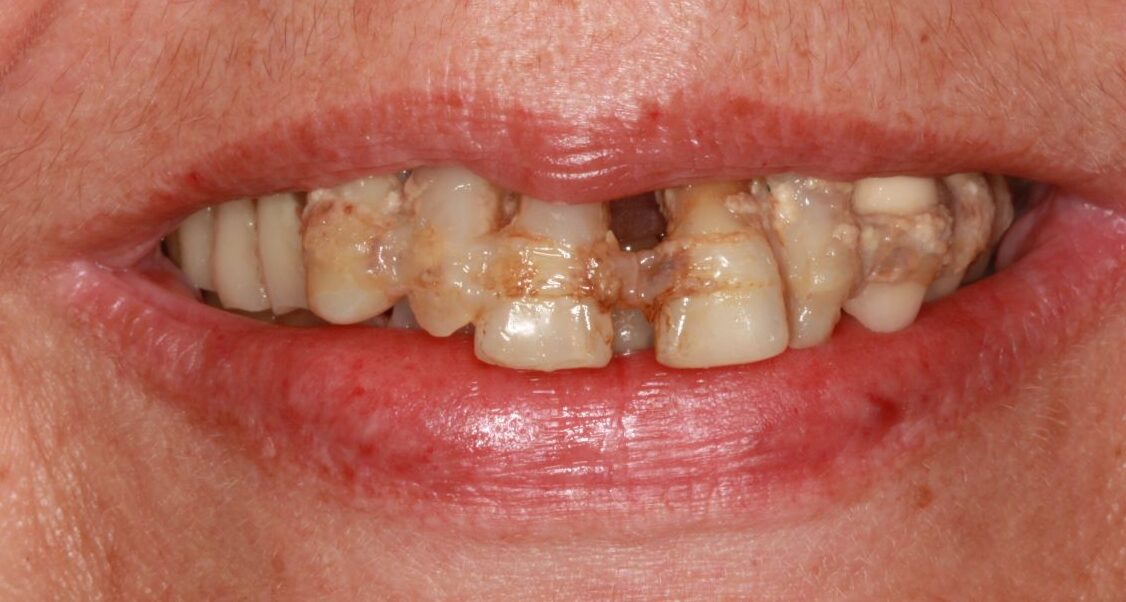
Immediate dentures are intended for patients who are about to lose their last remaining natural teeth and do not wish to remain without teeth even temporarily.
These dentures are fabricated prior to tooth extractions and are placed in the mouth immediately after the teeth are removed.
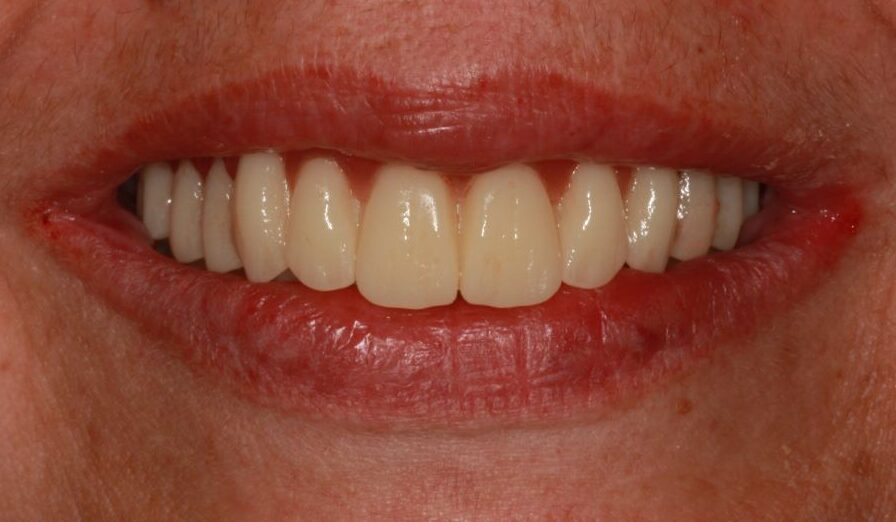
This approach preserves the smile and facial appearance from the very first moment, allowing patients to continue their daily activities without interruption.
Immediate dentures can be designed to closely resemble natural teeth in terms of shape, position, and color.
Thanks to modern fabrication techniques, the result can be natural and discreet, without a dramatic change in appearance.
Overdentures
Overdentures are a solution for patients who require greater stability than that provided by conventional dentures.
They are supported by natural tooth roots or dental implants through special retention mechanisms.
When some natural teeth remain, they may in certain cases be used as abutments, allowing the denture to achieve improved stability and security during function. This significantly enhances comfort during speech and chewing.
Even if the supporting teeth are lost over time, the denture can often continue to be used. Although it may become more mobile, patients usually adapt easily, having already become accustomed to wearing it.
Overdentures can also be supported by dental implants, offering even greater stability and improved daily functionality.
Advantages and Limitations of Dentures
Dentures provide restorative solutions that improve both function and aesthetics of the mouth. Like all prosthetic restorations, they have specific indications and limitations, which are taken into account during comprehensive treatment planning.
Proper patient education and adaptation are key to successful use.
Dentures and Modern Restorative Dentistry
In contemporary prosthodontics, dentures are part of a broader restorative treatment plan, which may also include solutions such as crowns and bridges. The choice is based on functionality, aesthetics, and the individual needs of each patient.
The ultimate goal is a result that supports long-term oral health.